
Deconstructing Behold
a reflection on, and evolution of, art and aesthetics

Whenever I write one of these I think how narcissistic this must be. Like who is this guy? Who is even reading this?
Anyways, when I look back at my archives and see the very first photo I shot on camera and shared to IG, it’s very jarring to be reminded of where I started off.
I first took up a camera I think near the end of 2021/ start of 2022, so it’s been a fun 4/5ish years (I don’t think I shot a single thing during almost a year’s span from the end of 2023 to like late fall 2024; I remember being very rusty and having to force myself to take up the camera again). What initially led me to taking up photography? I really can’t remember tbh but I think I was starting to feel the early burnout of writing while yet another novel was dying on agent reads. I needed a new outlet for creative expression, so if crafting words was getting exhausting, then perhaps visual art was next. (There was a brief period when I was young of illustrating, but that is not anything I feel capable of today, though there was a two-week period where I played with the idea of trying pixel art.)
The first year of shooting was truly about learning.
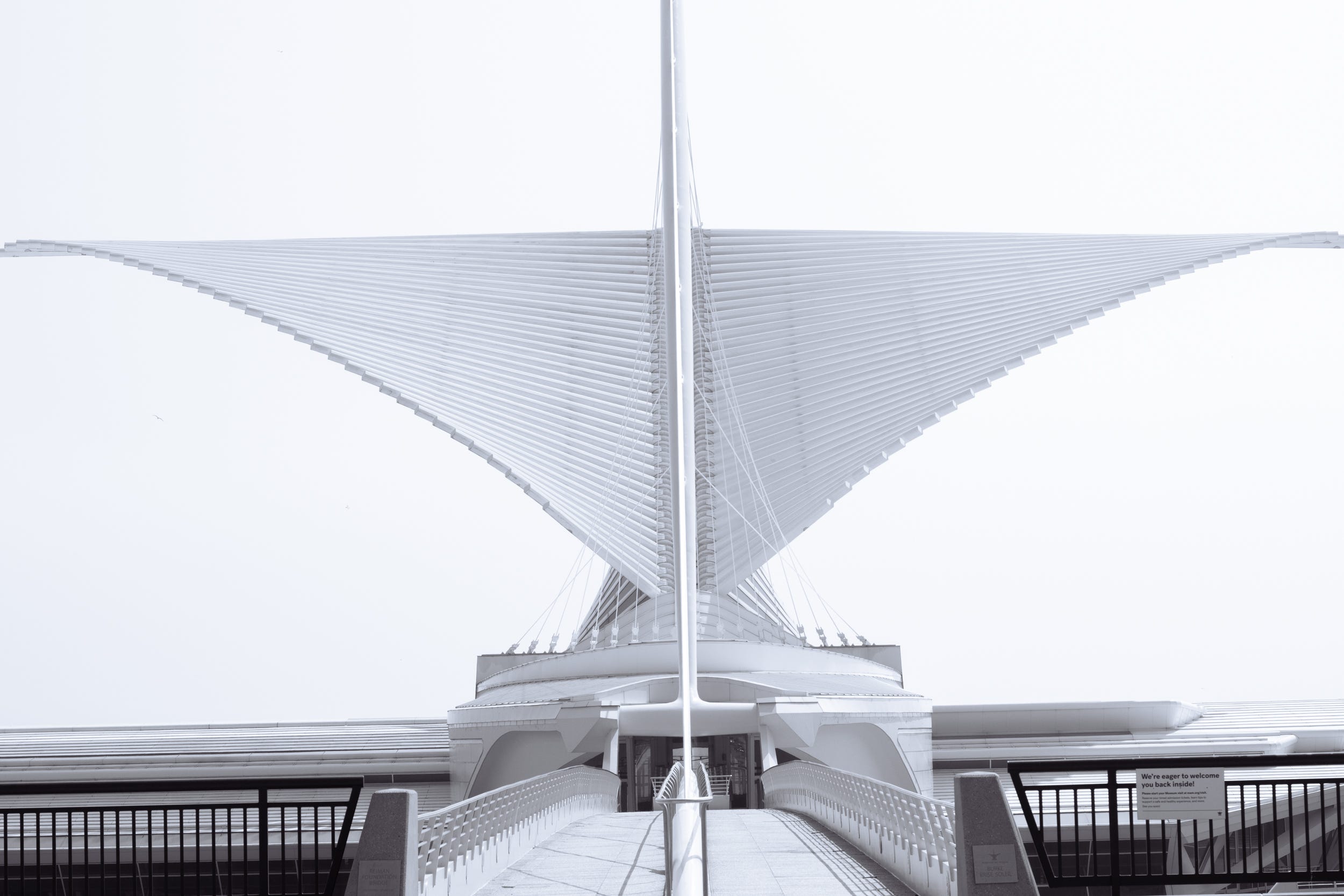
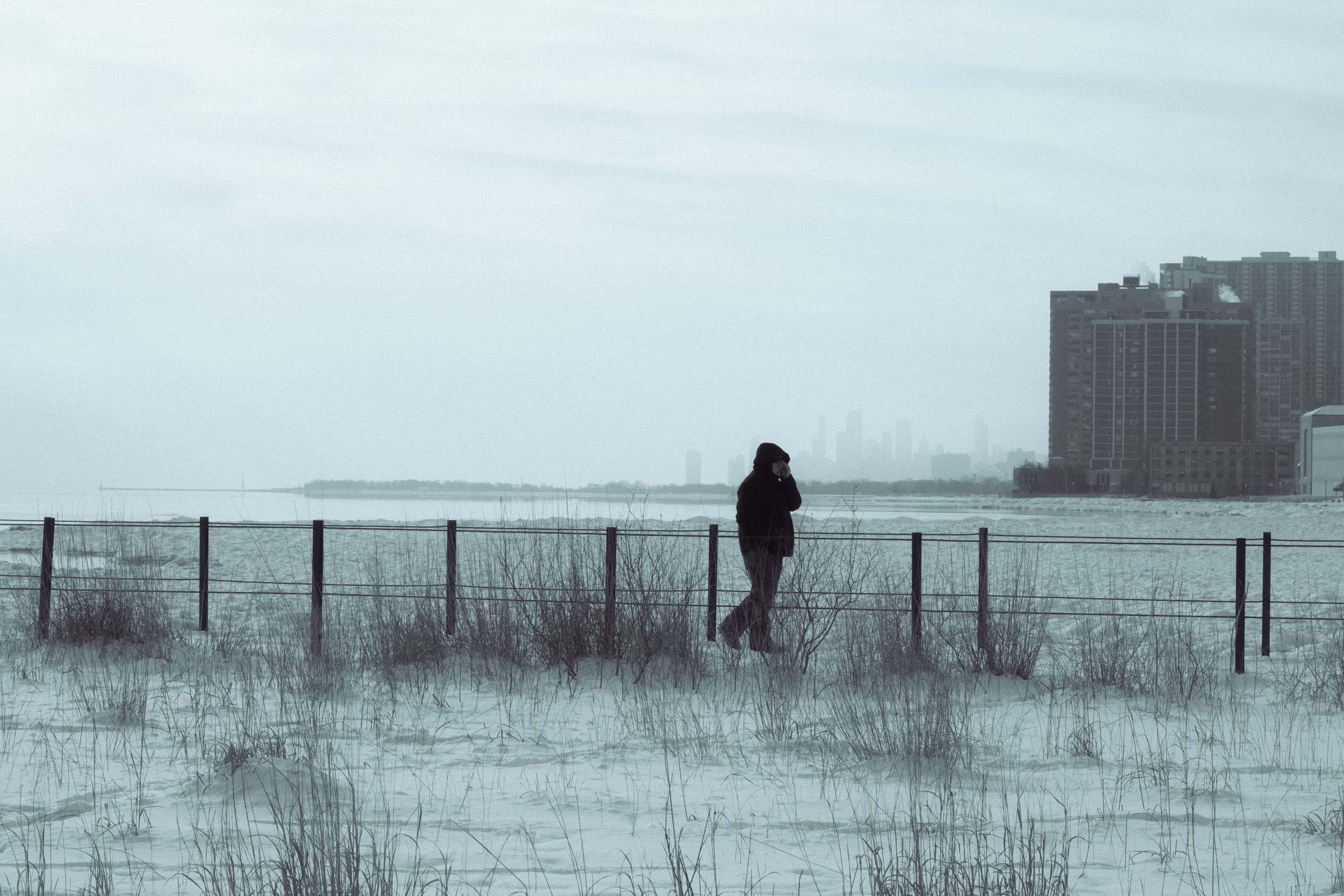
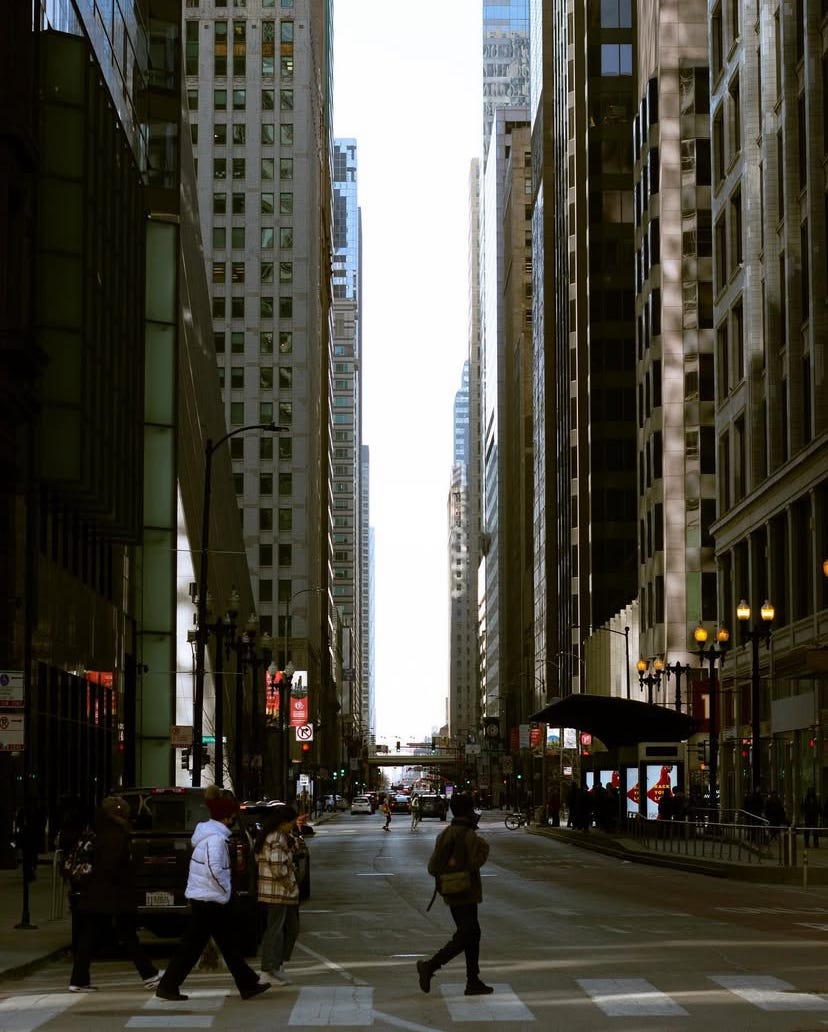
These images are my attempt to just learn the camera. I think I had gained a basic understanding of the exposure triangle, and I was taking interesting shots of trees and a lot of urban settings, but I still really needed to refine my eye. I was following in the footsteps of photographers like Henry Ho, Lester Laut, and Jakob Lilja-Ruiz through this early phase of learning, though much of what I shot for the first two years or so are now gone, wiped from my archive (something I did when I felt I needed to make a clean start). I don’t miss it though I do wish I had more to compare to.
Brandon Taylor, an author I enjoy and chatted with very loosely in online comment spaces, was an advocate for film—the slowness, the capacities for interesting colors or effects—so I briefly threw myself into this next period to see what would happen.
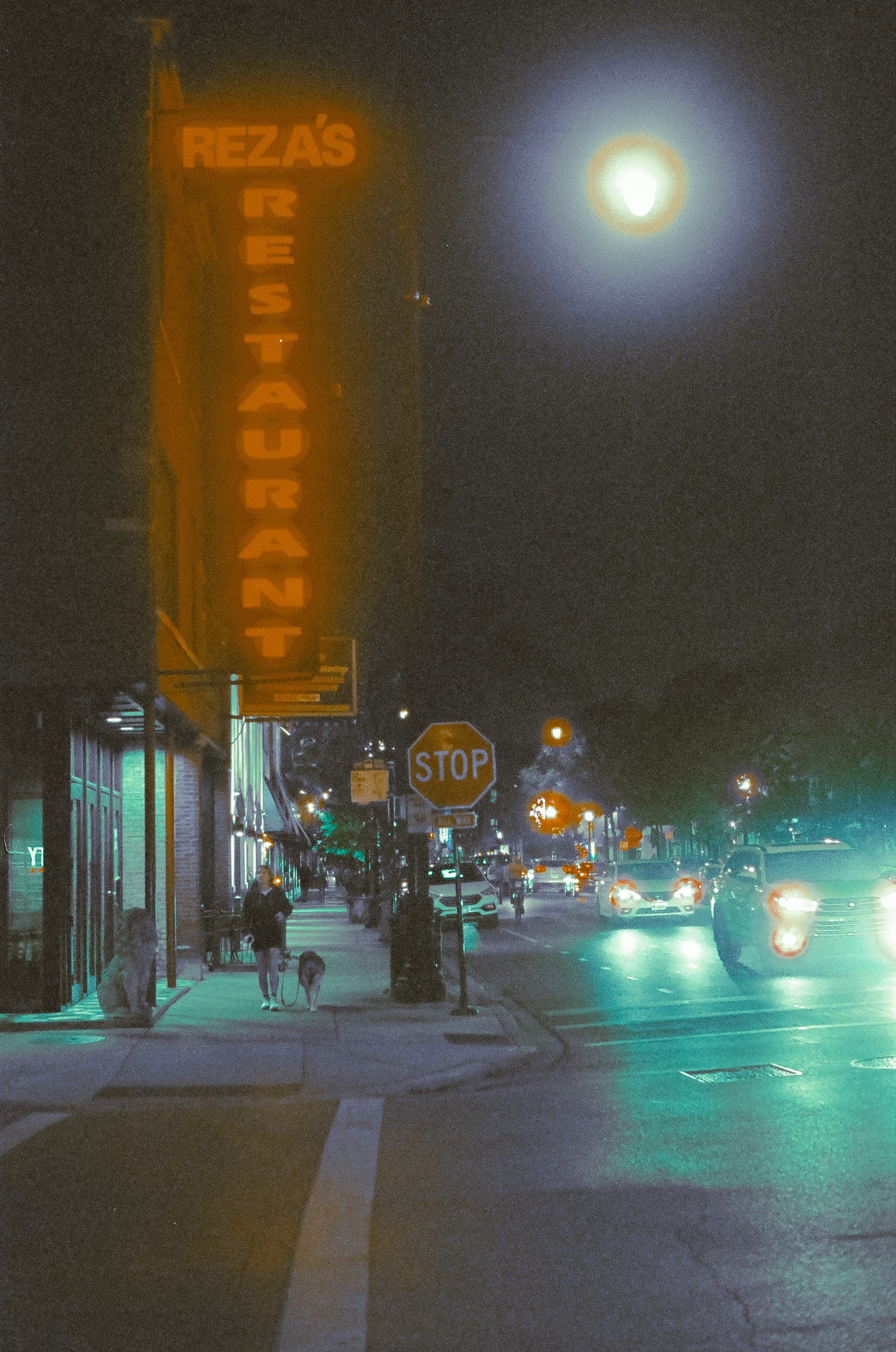
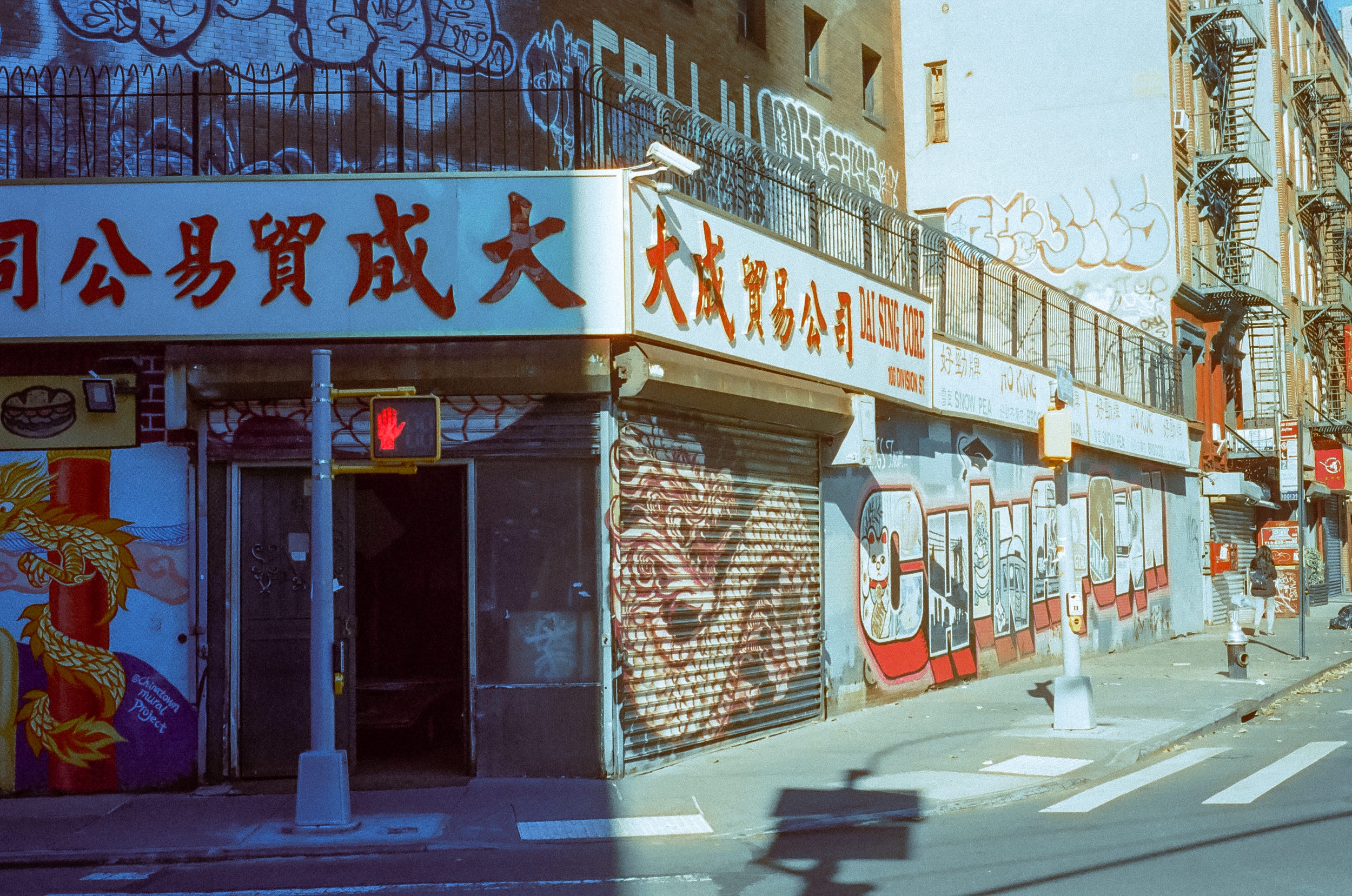
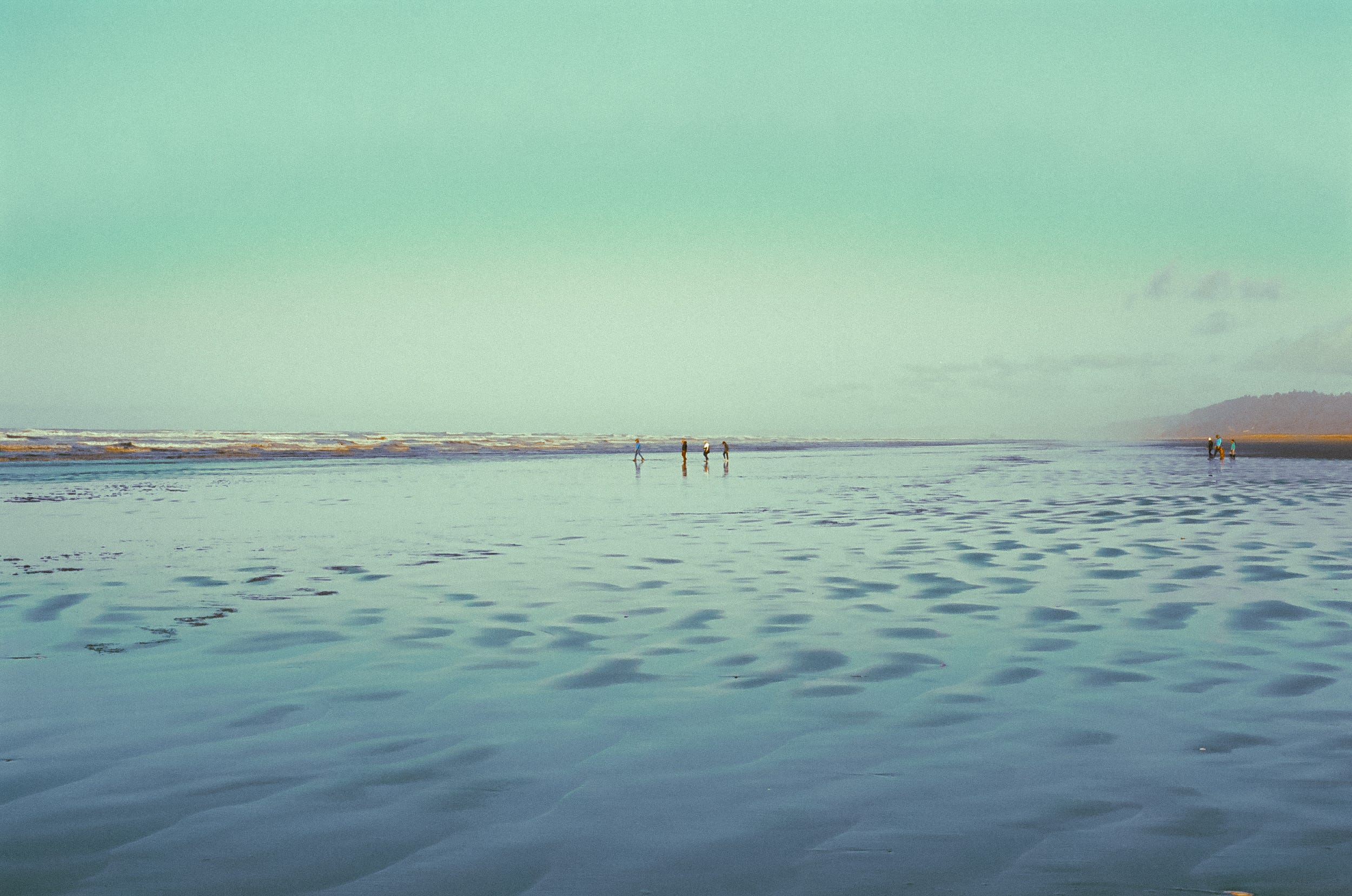
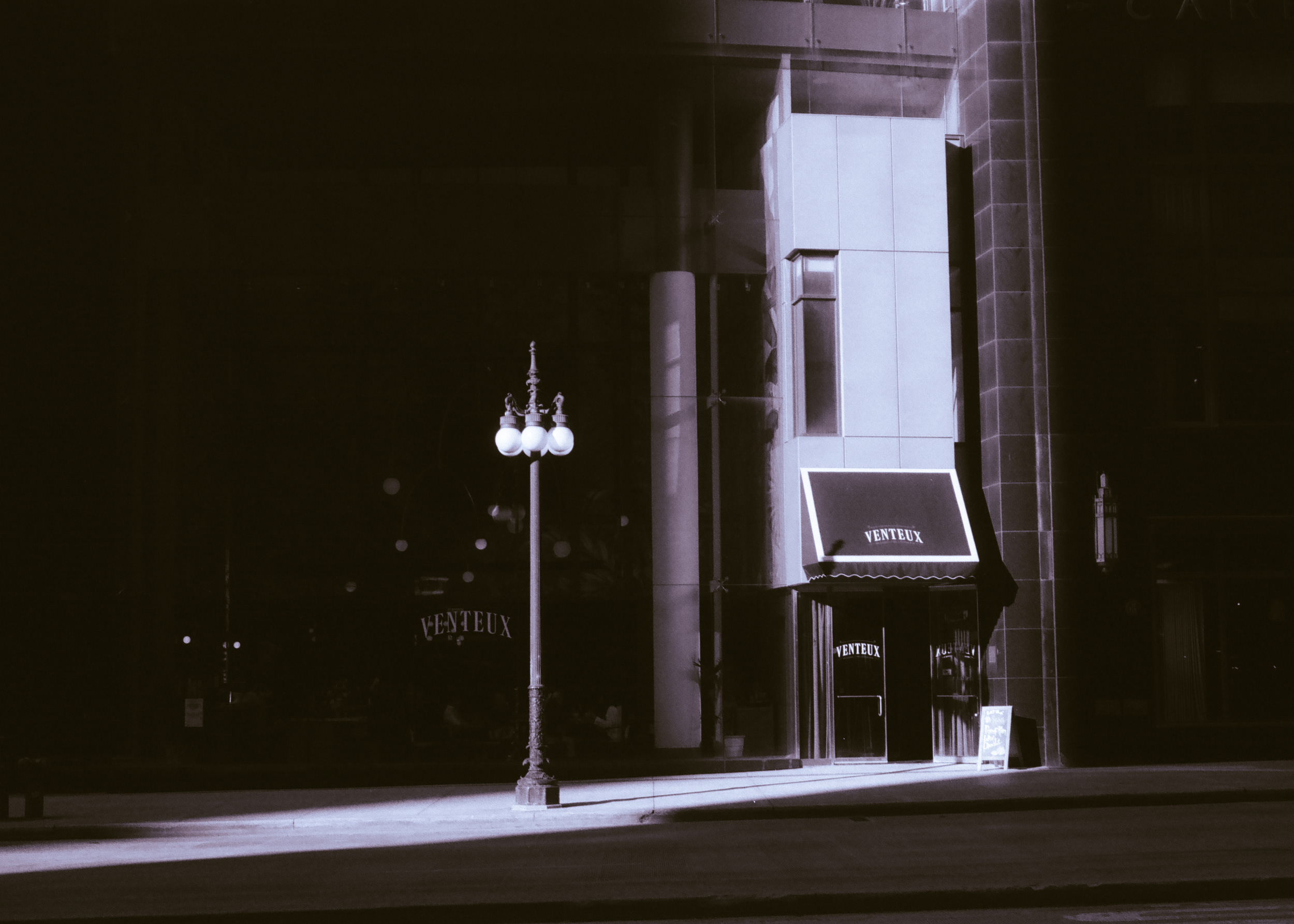
These images represent my venture into film photography, which was fun and which forced me to learn so much about light and aesthetics. I think knowing you have a limit on shots due to the limit on film (and cost), you are forced into a much tighter need for refinement. I can shoot burst mode on digital (which, funnily, I have actually been using much more lately) and get a handful of similar shots with hairline differences in composition and blur, allowing me to choose the best. With film, you’re essentially paying for the throwaways. A Certain Slant of Light will remain one of my favorite shots ever—one I’ve got hanging up in the bathroom and that I’ve gifted once.
I will always have a spot in my heart for film, but the logistics behind it are, for me, a bit of a drag. I love the variety of film available to me and how they alter the final shot (CineStill 800T remains my absolute favorite), but needing to send the film off to get developed, while fun at first, grew into more of a chore than a novelty I looked forward to. (I actually just remembered I have like 4-5 rolls of undeveloped film from at least 2024.)
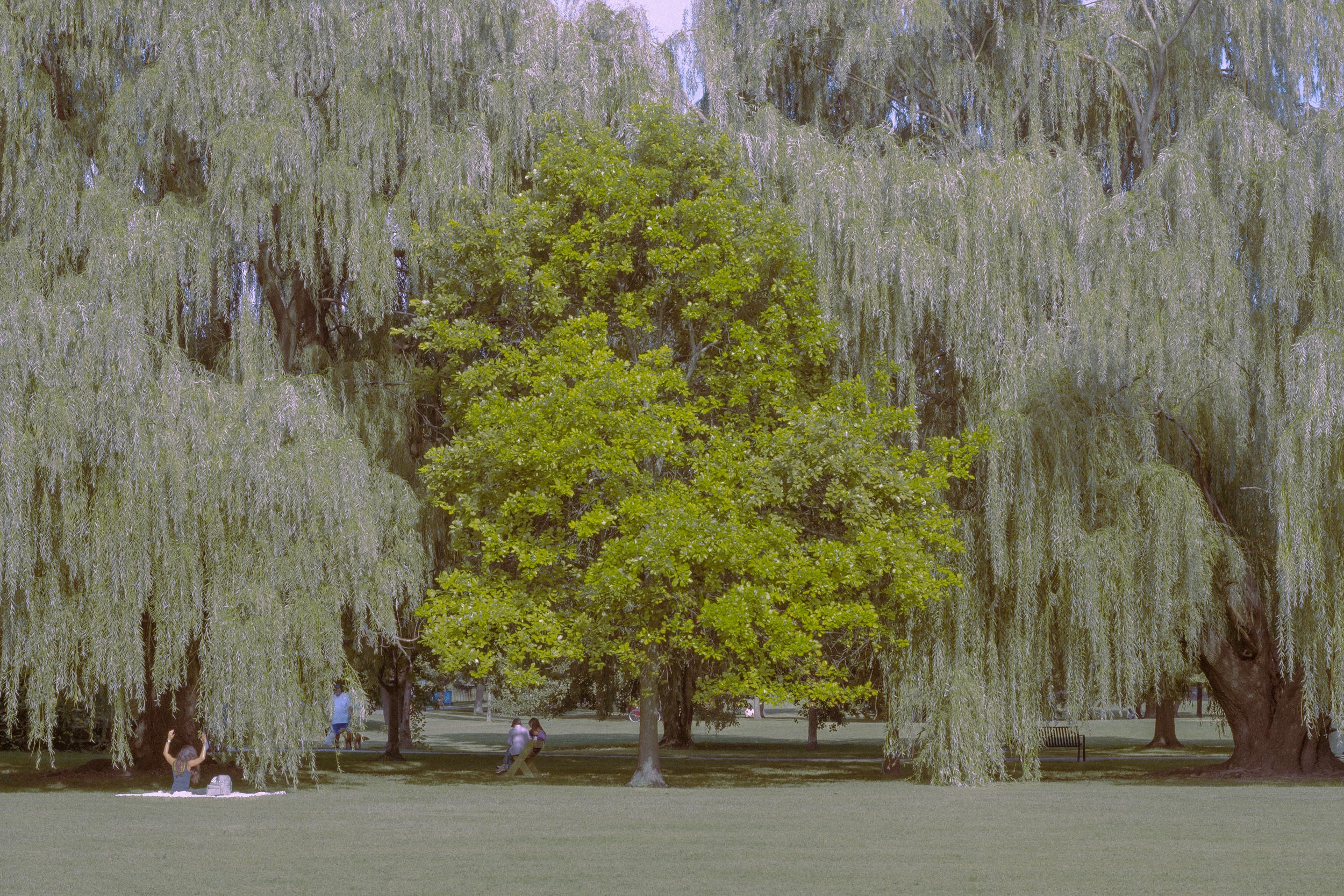
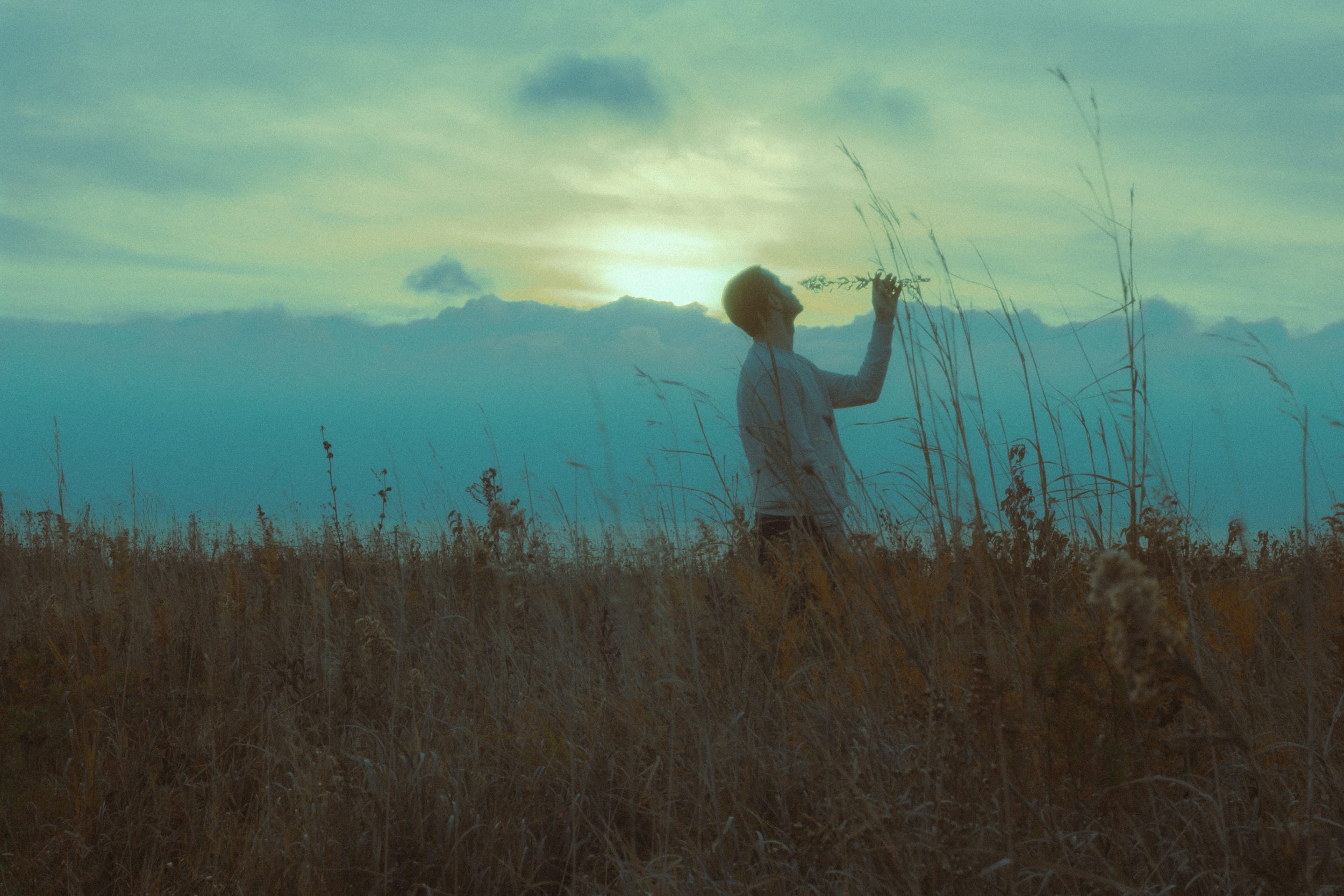
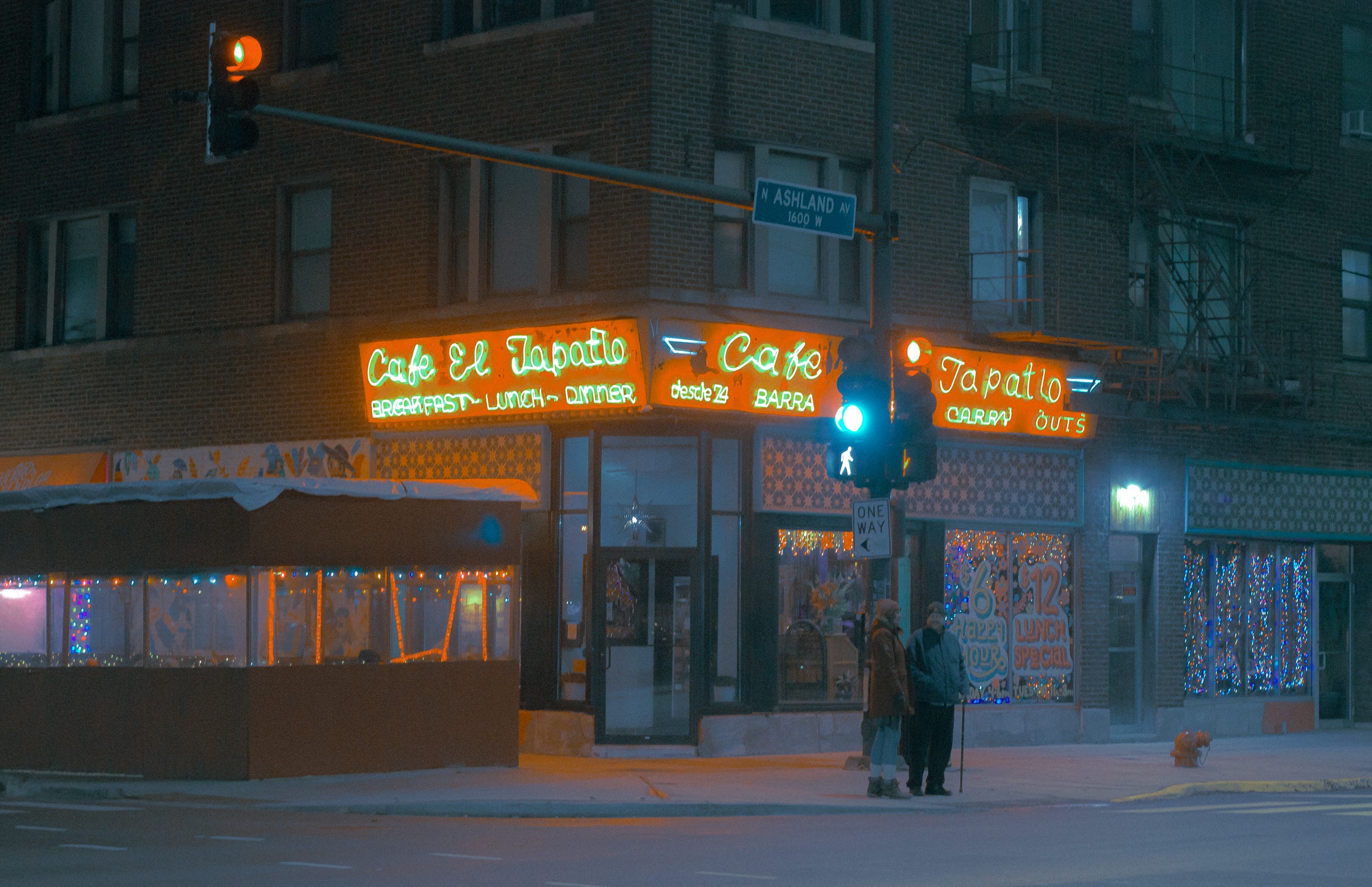
Two projects in the last year, LIMINAL MIDWEST and CRUISING, are my experiments in color grading, aesthetics, and pushing the boundaries of what I think a photograph is capable of. I began to really think about influence, and LM especially saw my photography skills grounded in other artists like Summer Wagner, Laura Makabresku, Karim Amr, Samantha Cavet, Andrew Wyeth, and Edward Hopper. I began to see photographs less as mere mementos and more as pieces of art that can be crafted, and it was with witnessing specifically the works of Wagner, Makabresku, and Cavet that I realized you can push a photo’s reality: Should a photo be realistic? Can a photo capture emotions (like nostalgia) not just with what is visually being captured but with the aesthetic style you craft to portray it?
You can shoot in color or black and white, or you can play with the end product with differing film types (and there is the sub-category of artists who soak their film rolls in liquids, like wine, prior to developing them). But learning to color grade and push those boundaries was fun. It definitely can lead to “overcooked” images, and perhaps some of my grades were a bit much at first. But for me, part of the fun is spending an hour (or several) bending the color to a specific aesthetic point-of-view. I was recently telling someone that photographs that looks like paintings and paintings that look like photographs really do something for my brain, and it’s something that I strive for with new pieces.
It was a landscape shot of trees by Summer Wagner—I remember it being very inspiring—that dragged me out of my year hiatus of shooting. Seeing how she captured the trees and made the photo appear as though it was a painting really breathed life back into my art. LIMINAL MIDWEST, although experimental and perhaps a bit lofty in goals, really truly pushed me. This was the period that I actually began to study photography. How did Wagner get this effect? How did Cavet get these colors? What was the set up for Amr’s shot? I needed to unpack the camera even more, and learning how each of these photographer’s did their work and trying to replicate it forced me to slow down and really get to know the mechanics—what long exposure was and experimenting with it, really trying to study the light and understand how to shape it or what the time of day does to it.
It was also through LIMINAL MIDWEST that I learned I really don’t care all that much for street photography. At least for now. I think perhaps I might find some interest in it occasionally (and sometimes I do get a few good shots), but I am at this point very much into natural landscapes and settings. I think I was born from a cornfield, because the midwest landscape is truly unparalleled, and when I look back at the photos I took for this project I noticed a lot of green, so expect to see much more of that in the foreseeable future. I have also been keeping a mental list of all the things I hate to have anywhere in my photos (visual detritus of sorts)—cars, garbage cans, portable restrooms among the highest on that list. But there is also an isolation I like to capture, as evinced with all the shots I have of lone individuals in greener settings. I find the tension between an individual experiencing a moment of loneliness and the landscape of lush remarkable greenery to be the most exciting visual to capture.
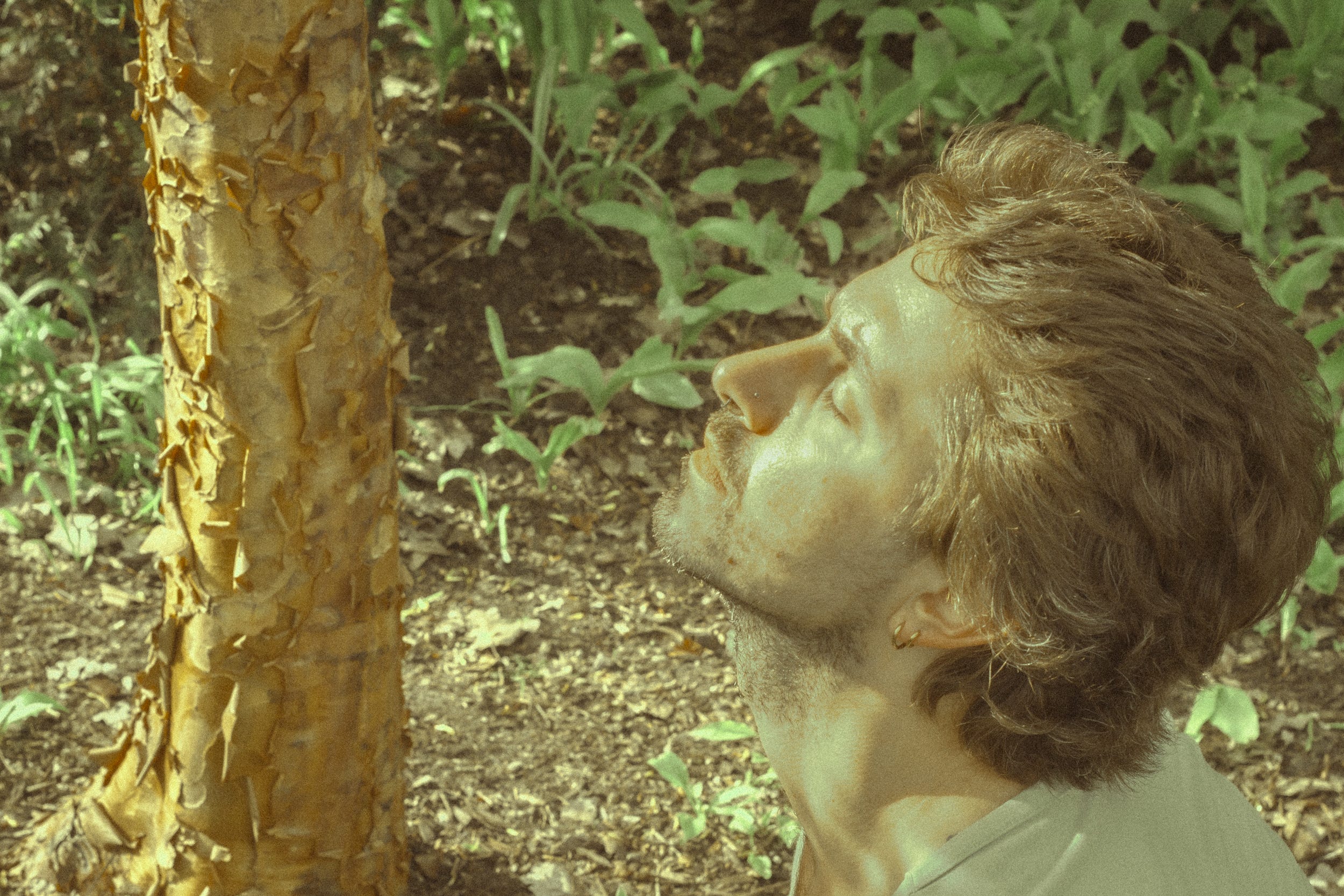
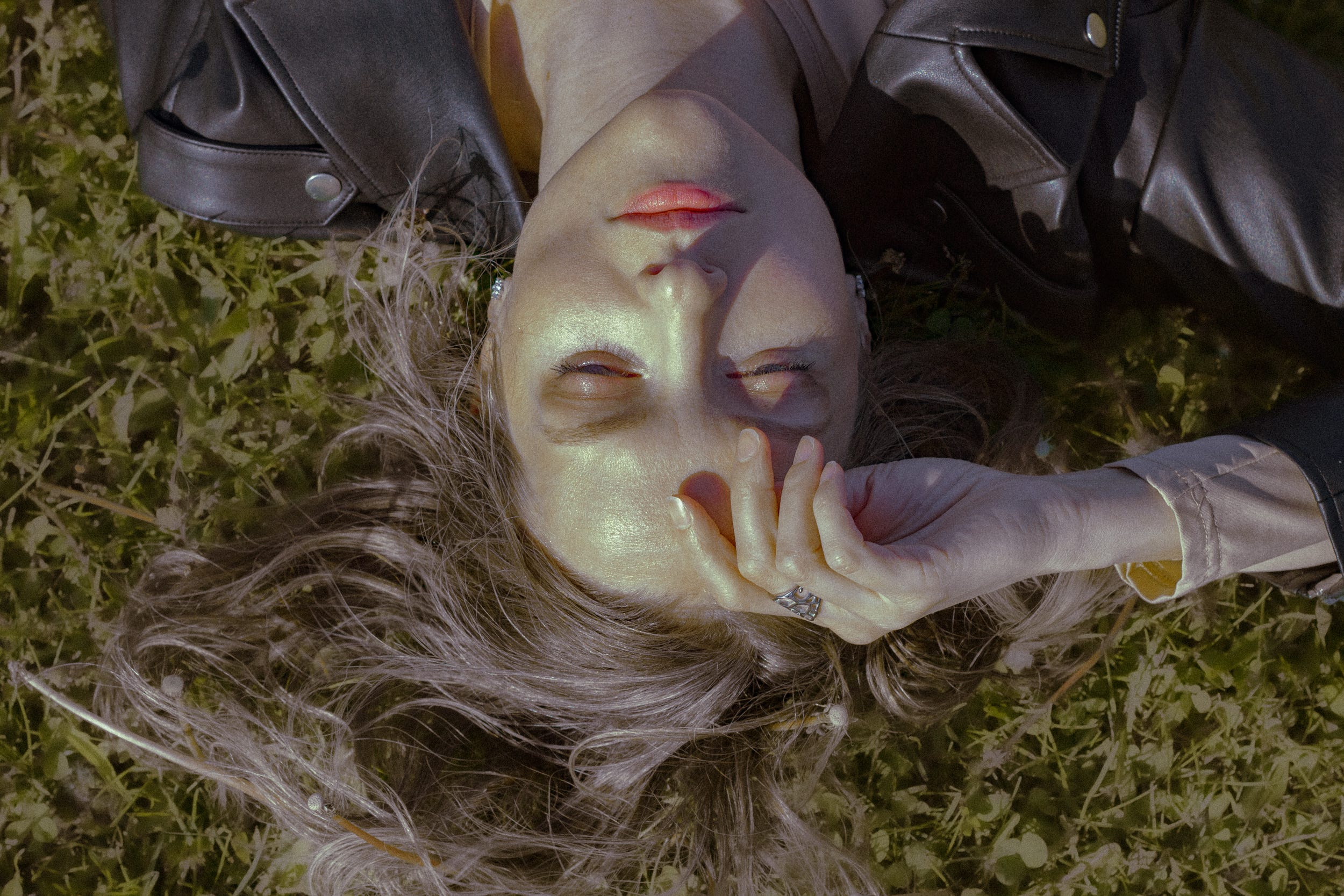
I could go on and on about my process and things I like to do, but I’ll wrap this up. When I compare Stinging Nettle (shot the day before I’m currently drafting this newsletter) to the very first thing I shared on IG, I can see the growth in my aesthetics and artistry. I am (as of this draft) still in the middle of a new project that I have talked about briefly but not shared with anyone—my first full collection of narrative photography, which might, in a sense, “close the loop” on certain thematic concerns I’m interested in (or maybe it won’t!). But after that? It’ll be interesting to find out what ideas I grow into next.
– B.